
June 4, 2026


Practicing as an acupuncturist, I devote my days rooted in a tradition that’s over two thousand years old. My free time might feature something entirely different: following the digital curves of games like Zeppelin Crash Game Crash. At first glance, they look worlds apart. But I’ve observed something. Both need a specific kind of awareness. Acupuncture asks for a peaceful, internal focus. A title like Zeppelin Crash demands precise, calculated timing. Each presents a distinct form of engagement that affects your state of mind. This post investigates that territory. It examines how the tenets of acupuncture, a mainstay of UK alternative medicine, may present a valuable viewpoint for examining our connection with modern electronic pastimes. The core idea is equilibrium, particularly when our days are so filled with screens.
Acupuncture stands at the center of Traditional Chinese Medicine. Its main idea is that health relies on the free flow of Qi, or vital energy, through pathways called meridians. When this flow is disrupted or unbalanced, discomfort can follow. By applying sterile, single-use needles at targeted points, a practitioner aims to restore that balance. The objective is to prompt the body’s own healing systems into action.
In my clinic, patients don’t just talk about their sore knee or sore back after a session. They report a fog clearing. They mention feeling grounded, or achieving a full night’s sleep. This isn’t just imagination. Studies show acupuncture can initiate the release of endorphins and regulate an overactive nervous system. It’s a holistic method. We consider the whole person—diet, sleep, stress, work—not just the issue that walked through the door.
The UK has adopted acupuncture as a serious complementary therapy. People visit for help with chronic pain, anxiety, insomnia, and digestive problems. Regulation by organizations like the British Acupuncture Council means you can rely on a high standard of safety and training. Your initial appointment with a qualified practitioner is a long conversation. We’ll go over everything from your energy levels to your mood. This detailed picture lets us build a treatment plan that goes deeper a quick fix, working for lasting change.

Stress management is the number one reason people arrange appointments at my practice. The physiological effects of acupuncture are clear. It can reduce stress hormones like cortisol, help regulate your heart rate, and foster a real sense of calm. I sometimes think of it as a screen detox for your nervous system. While putting your phone in a drawer is a behavioural fix, acupuncture creates the internal quiet that makes doing so feel easier. It quiets the mental static and agitation that screens can produce, paving the way for more intentional technology use later.
Consider this. You’ve had a tiring day of video calls, or perhaps a session of intense gaming. Your mind feels both jangled and exhausted. An acupuncture session forces a deliberate pause. The room is calm. The process directs your focus inward. People often leave feeling rebalanced, with a renewed outlook. This isn’t about labeling screen time as harmful. It’s about providing your body and mind the tools to process modern stimuli without becoming overloaded. It’s a preventive investment in strength against the digital fatigue so many of us now know.
Remarkably, both acupuncture and strategic gaming grapple with impulsivity and focus, but from opposite ends. A game like Zeppelin Crash can sharpen quick decision-making, but it can also promote impulsive “just one more round” behaviour. Acupuncture tackles this from the inside. In Chinese medicine, protocols that calm the ‘Shen’ or spirit can help control the very patterns that lead to distractibility and rash actions. By supporting neurological balance, treatment can bolster your capacity for sustained concentration and thoughtful choice—a skill useful everywhere.
I see clients who describe their mind as a browser with fifty tabs open. They move from task to task, or struggle to resist sudden urges. Treatment often focuses on points linked to the heart and kidney systems, which in TCM control willpower and calm focus. The feedback is consistent: people feel better able to pause, assess a situation, and then act, instead of just reacting. This cultivated mindfulness can carry over into leisure time. It might help you follow a pre-set time limit for gaming, or simply be more present in whatever you’re doing.
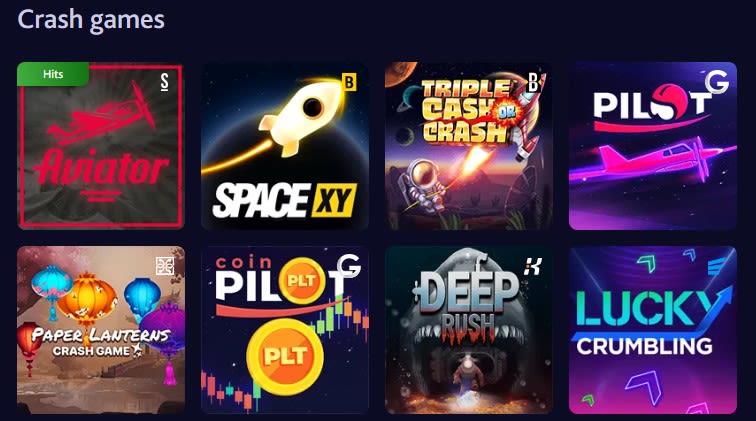
Then there’s the digital arena. Online crash games, such as Zeppelin Crash, have established a significant niche. The mechanic is basic: place a bet, watch a multiplier climb, and try to cash out before it crashes. The skill lies in managing greed and fear. It’s a hit because it packages excitement, a test of nerve, and a social element into one quick experience. For numerous people across the UK, it’s a five-minute diversion, a mental pit stop during the day.
But it’s prudent to acknowledge how these games work. Their design leverages psychology. The variable rewards, the near misses, the adrenaline spike—they’re built to keep you engaged. For most, it’s harmless fun. For some, that engagement can tip into something less healthy. Understanding that potential is crucial. Just as we monitor our physical health, a healthy relationship with digital leisure needs self-awareness and clear limits. The aim is to keep it a pastime, not a problem.
So in what way can a two-millennia-old healing art and a digital crash game intersect? They overlap in our nervous system and our mental load. Contemporary life, with its endless pings and scrolls, creates a low-grade, constant stress. Playing a high-stakes game like Zeppelin Crash can be exciting, but it also increases that cognitive burden. It needs sustained attention and experiences the ups and downs of risk.
Acupuncture works in the opposite direction. A session is a scheduled hour of disconnection. The goal is to shift your body from its stressed ‘fight or flight’ mode into the calmer ‘rest and digest’ state. I’ve helped many clients who spend time in tech or spend hours online. For them, acupuncture functions as a system reset. The deep relaxation it brings about can enhance sleep, eliminate mental fog, and lower anxiety. This doesn’t mean you must give up gaming. It implies that pairing high-stimulation activities with practices that actively support recovery is a smart strategy for mental equilibrium.
If you’re planning on trying acupuncture to manage stress, enhance focus, or aid general wellness, choosing the right practitioner matters. In the UK, your best standard is membership with the British Acupuncture Council (BAcC). Members have completed rigorous training in both traditional theory and biomedical science. They adhere to strict safety codes and only utilize single-use, sterile needles. Your initial appointment will typically run for 60 to 90 minutes. Look forward to a thorough discussion about your health history and lifestyle before any needles are used, all to customize the treatment to you.
Be candid during that conversation. Bring up your job, your hobbies, how much time you devote online. A skilled acupuncturist wants to grasp the full picture of your life; there’s no criticism, only a drive to understand. The treatment itself is usually very relaxing. Discomfort is negligible for most. For chronic issues, a set of sessions is typically suggested, as the advantages of acupuncture develop over time. View it as investing in your foundational health. You’re building a stronger base to cope with life’s pressures, digital or otherwise, with more equilibrium and less strain.
The main objective here is a personalised strategy for your health. This is not about choosing sides. You can respect ancient medicine and enjoy modern games. The clever approach is about integration and mindful choice. You might book an acupuncture session during a hectic week as a proactive strike against stress. You could choose to play Zeppelin Crash with a twenty-minute kitchen timer next to you, and stick to it as a pledge to yourself.
Try paying attention to how activities make you feel after. Does that gaming session leave you energised or exhausted? Does a walk in the park soothe you? Use these insights to shape your routines. Maybe you pair some online gaming with ten minutes of stretching. The key principle from acupuncture is to listen to your body’s signals. By integrating mindful practices—whether it’s acupuncture, meditation, or scheduled screen-free time—you build a counterweight to high-stimulation inputs. This preventive care of your mental and physical wellbeing lets you participate in the digital world on your terms. You can experience its offerings without letting them control your health or your mood.
The needles used are remarkably fine, far thinner than a standard injection needle. Most people feel a small prick on insertion. Sometimes you might experience a dull ache, a tingling, or a sense of heaviness around the point, which we view as a good therapeutic sign. The overwhelming majority feel the process deeply relaxing. It’s common for patients to doze off on the couch.
It differs person to person. For a new, acute problem, you might see positive changes within four to six sessions. Long-standing, chronic conditions often require a longer commitment, perhaps ten to twelve treatments or more. After your first assessment, your acupuncturist will recommend a plan and check in with you regularly to track progress.
Yes, it can. Acupuncture is frequently used to help manage anxiety. It works by calming the nervous system and helping to regulate the body’s stress chemistry. Many of my patients report their general anxiety levels drop after treatment, and they feel better equipped to handle daily pressures.
When you visit a practitioner listed with the British Acupuncture Council (BAcC), acupuncture has an excellent safety record. BAcC members use single-use, pre-sterilised needles and are educated in anatomy to needle safely. Serious side effects are remarkably rare. The most common issues are minor bruising or feeling a bit light-headed, which passes quickly.
Eat a small meal a couple of hours before so you’re not hungry. Avoid alcohol or very intense workouts right beforehand. After your session, drink some water and take it easy for a few hours. Listen to your body. Some people feel amazingly relaxed, others get a boost of energy. Try to avoid heavy meals or taxing mental tasks immediately after if you can.
Pain relief is one of the most frequent and well-supported uses for acupuncture. It can be effective for back pain, neck and shoulder stiffness, headaches like migraines, and osteoarthritis. The treatment triggers the body’s natural pain-killing and anti-inflammatory responses.
In most cases, yes. Acupuncture is typically considered supportive and works alongside conventional medicine. The essential thing is to keep everyone informed. Inform your GP you’re having acupuncture, and share with your acupuncturist a complete list of any medications or treatments you’re receiving. This guarantees your care is harmonized and safe.