
September 19, 2026



The digital gaming landscape in the United Kingdom has begun a new chapter with the launch of competitive event systems at Wantedwin Casino. As opposed to using only fixed solo gameplay, the platform now includes live competitive tournaments that take place across designated periods. This shift converts the solitary act of playing slots or wagering into a collective, time-bound experience. Experts note that the structure supporting these live competitions utilizes strong streaming systems and coordinated ranking systems, creating a transparent environment where every participant views rankings change instantaneously. The move places Wantedwin Casino as a significant player in the increasingly crowded UK interactive gaming market.
Operating live competitions requires a completely different technical backbone compared to standard online casino operations. Wantedwin Casino uses a distributed server network with nodes located in proximity to major UK population centres, cutting latency to milliseconds. This geographical optimisation ensures that a player in Manchester experiences the same leaderboard refresh rate as someone in London. The synchronisation engine handles thousands of concurrent actions per second, verifying bets, computing scores, and updating ranking data without perceptible delay. Such infrastructure constitutes a significant investment in backend stability, suggesting the operator considers live tournaments as a core product pillar rather than a temporary promotional gimmick.
Every action within a live tournament generates a timestamped entry on an immutable ledger, allowing for post-event auditing should disputes arise. Wantedwin Casino has implemented cryptographic verification methods that confirm neither the house nor participants can manipulate standings once a competition commences. Independent testing agencies routinely examine the random number generation sequences used during these events, certifying that outcomes remain unpredictable. The combination of real-time transparency and retrospective auditability creates a dual-layer trust mechanism. For UK players accustomed to rigorous regulatory oversight, these protocols match with expectations set by the Gambling Commission’s technical standards for remote gambling systems.
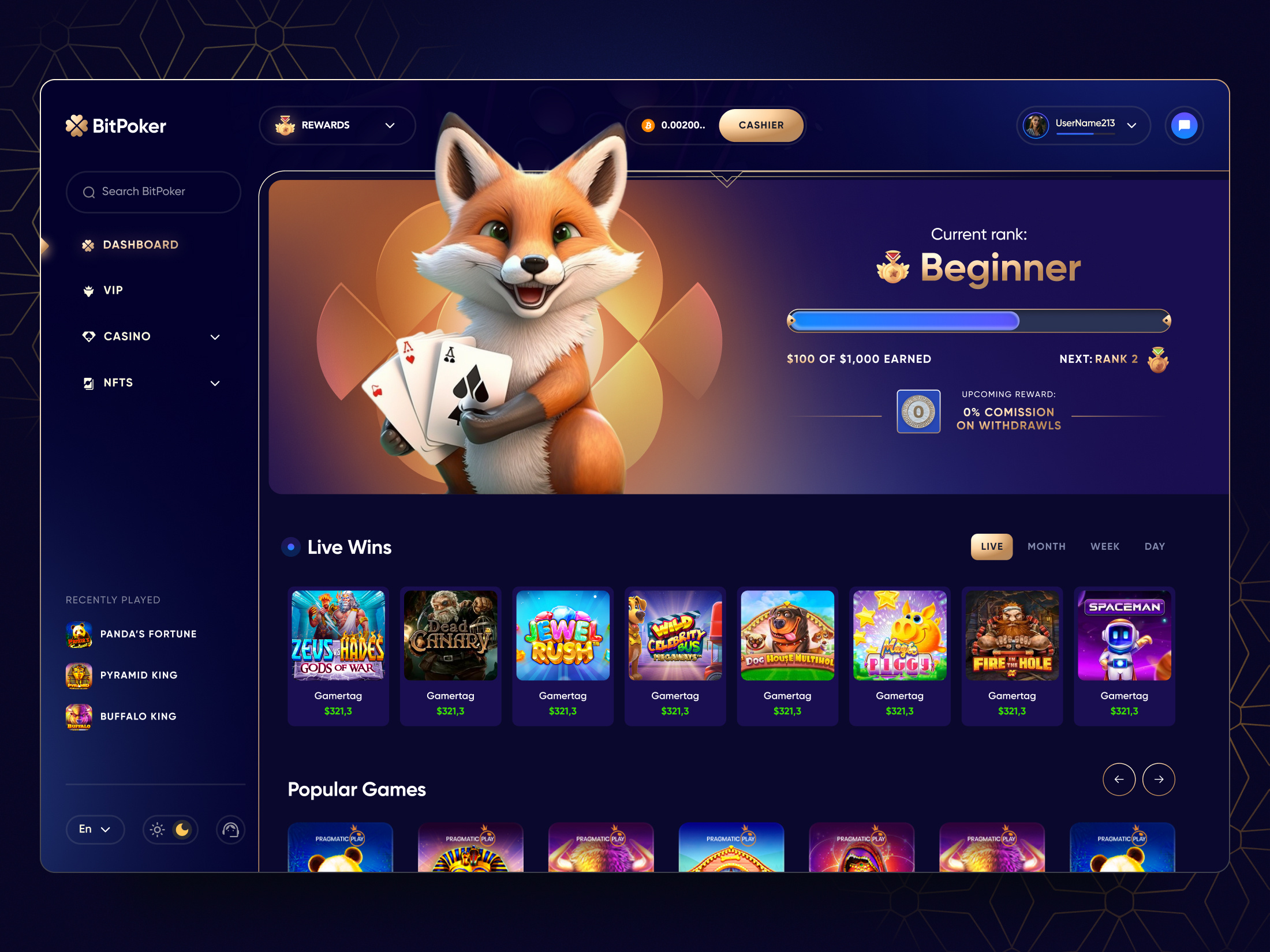
The visual presentation of live tournaments at Wantedwin Casino deserves analytical attention. A dedicated dashboard combines relevant information without overwhelming the participant. Current rank, points required to overtake the next competitor, and remaining time display prominently. Colour-coded position indicators enable rapid status assessment even during intense gaming moments. The interface also features a spectator mode, enabling logged-in users to observe ongoing tournaments without participating. This feature serves an important community-building function, as spectators can study strategies employed by top-ranked players. The clean layout emphasises functional clarity over decorative embellishments, reflecting a design philosophy rooted in competitive gaming conventions rather than traditional casino aesthetics.
Wantedwin Casino has calibrated its tournament prize structures to harmonize immediate gratification with aspirational rewards. Payouts typically flow across the top twenty percent of finishers, eliminating the winner-takes-all scenario that might discourage continued participation from mid-field competitors. Cash prizes credit directly to withdrawable balances, differentiating these events from promotions that award restricted bonus funds with steep wagering requirements. Some tournaments include physical prizes alongside monetary rewards, though these are secondary to the cash component. The operator processes tournament winnings through the same payment infrastructure processing standard withdrawals, with UK players receiving funds via established methods including bank transfers and regulated e-wallet services.
The live competition ecosystem connects with Wantedwin Casino’s broader loyalty architecture. Regular tournament participation accumulates points within the platform’s rewards programme, and higher loyalty tiers grant entry to exclusive events with enhanced prize pools. This gamification layer operates independently of tournament outcomes, meaning even players who consistently finish outside winning positions build long-term value. Tiered access establishes aspirational progression without constructing paywalls that would exclude casual participants. Analysts observe that this integration embodies a sophisticated approach to retention, as the dual incentive structure promotes both competitive engagement and platform loyalty through parallel reward tracks.
Noting that UK players progressively visit gaming platforms via smartphones, Wantedwin Casino has prioritised mobile responsiveness within its tournament infrastructure. The live competition interface conforms fluidly to smaller screens without sacrificing the real-time leaderboard updates central to the experience. Touch targets size appropriately for thumb interaction, and critical information stays visible without excessive scrolling. Battery consumption optimisation secures that extended tournament sessions do not rapidly deplete device charge, a practical consideration for players participating away from charging points. The mobile experience reflects desktop functionality almost completely, with the only concessions being optional simplified visual effects that users can toggle to preserve data allowances.
Wantedwin Casino arranges its live competitions across several setups to cater to varying player preferences and time commitments. The schedule rotates daily, with peak-time events focusing on evening hours when UK engagement metrics traditionally surge. Short-duration sprint tournaments running for fifteen to thirty minutes appeal to those wanting rapid resolution, while marathon sessions spanning several hours attract strategic players who favour gradual accumulation of points. Each format uses distinct scoring algorithms, some emphasising win frequency and others prioritising the magnitude of individual victories. This variety prevents the competitive ecosystem from stagnating and allows different playstyles to discover their place within the broader tournament calendar.
The most frequently scheduled live competitions revolve around slot titles, where participants vie to attain the highest cumulative multiplier within a fixed time window wantedwin.eu.com. Wantedwin Casino picks games with high volatility profiles for these events, as dramatic swings in fortune produce compelling leaderboard movement. Players observe not only their own results but also the climbing scores of rivals, generating a tension lacking in solitary slot play. The platform displays a live feed of top performers, though individual identities stay pseudonymised. Prize pools for slot tournaments adjust according to entry numbers, with guaranteed minimums that ensure value even during off-peak scheduling slots.
Beyond slots, Wantedwin Casino extends its live tournament framework to table game enthusiasts. Blackjack and roulette competitions operate under modified rulesets that emphasise decision-making speed and cumulative profit margins. In blackjack tournaments, participants receive identical virtual bankrolls and face the same dealer hands, highlighting strategic choices as the primary differentiator. Roulette events introduce point multipliers for specific bet types, encouraging riskier wagers that can propel a mid-table player into contention. These table game showdowns occur less frequently than slot equivalents but regularly draw dedicated audiences who recognise the skill element integrated into the competitive structure.
The introduction of timed tournaments brings up reasonable questions about their relationship with responsible gaming guidelines. Wantedwin Casino tackles these issues through embedded measures that operate exclusively within active tournament settings. Players can set tournament-specific deposit and loss caps that operate independently from overall account controls. A required cooling-off prompt appears when a user signs up for back-to-back events exceeding a combined duration threshold. The platform also shows live session clocks clearly during tournament play, making sure participants keep consciousness of time spent. These actions suggest an operational recognition that competitive formats can heighten engagement patterns requiring additional protective scaffolding past regular responsible gaming features.
Players who activate self-exclusion measures through Wantedwin Casino or the UK’s GAMSTOP system discover their tournament eligibility instantly revoked. The platform’s mechanisms cross-reference participant lists against exclusion databases before each event commences, blocking accidental infractions. This system-driven enforcement reaches to cooling-off intervals and deposit limit breaches, with tournament registration prevented until controls expire or renew. Such integration shows that tournament elements operate within the identical legal adherence structure managing all other platform actions. The company has officially committed to refusing tournament entry to any account exhibiting markers of damage, even when such denial lowers prize pool contributions.
When positioned against competitor products, Wantedwin Casino’s live tournament execution reveals strategic differentiation. Several recognized UK operators deliver scheduled tournaments, but few match the frequency and format variety noted here. The technical execution, particularly the low-latency leaderboard updating, places the platform closer to dedicated esports infrastructure than traditional casino solutions. Pricing assessment shows that tournament entry fees hold a middle ground, accessible enough to attract volume play while maintaining meaningful prize funds. This positioning targets the portion of UK players who consider standard casino products insufficiently appealing but consider dedicated competitive gaming platforms too far separated from familiar gambling styles.
Early adopter commentary across UK gaming forums uncovers themes in player response. Positive sentiment gathers around leaderboard clarity and the understood fairness of point calculation methods. Criticism tends to concentrate on tournament scheduling holes during weekday afternoon periods, indicating that demand exists for expanded scope. Wantedwin Casino’s community management team keeps presence within these discussion spaces, accumulating feedback that has already influenced minor interface tweaks. The appearance of informal player communities organising around regular tournament participants suggests that the social dimension of live competition is striking a chord as intended. Whether this community cohesion translates into sustained commercial measures remains under review by industry observers.
The current live tournament offering likely signals an initial phase as opposed to a finished product. Technical clues within the platform’s codebase point to upcoming features like team-based competitions where teams of players build collective scores. Integration with streaming platforms looks plausible given the spectator mode already implemented. Wantedwin Casino has registered trademarks suggesting expansion into skill-game tournaments that would fill a regulatory category distinct from chance-based gambling. These signals indicate a development roadmap treating competitive social gaming as a extended strategic priority. The operator’s investment in purpose-built tournament infrastructure instead of outsourced solutions reinforces this interpretation of continued commitment instead of trend-chasing.

Wantedwin Casino has developed a live tournament ecosystem that blends technical reliability, format variety, and responsible gaming considerations into a unified competitive platform for UK players. The live leaderboard technology, wide-ranging scheduling options, and transparent prize structures jointly create a credible alternative to both standard online casino products and standalone competitive gaming venues. While the extended market impact remains to be determined, the underlying architecture suggests a careful, well-resourced entry into real-time competitive gambling that merits sustained analytical attention as the product develops and the player community grows around these scheduled events.